
Курс на Stepik
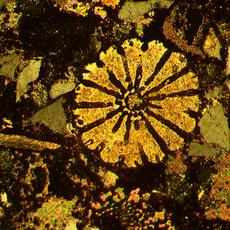
Обложка курса «Sedimentary Petrology» на Stepik
Бесплатно

Sedimentary Petrology 4.182

Открыть на
STEPIK.ORG

The course covers basic information about the structure of sedimentary ion-biogenic rocks (Limestones, Dolomites, Phosphorites, Jaspers, Tripolis, Gaizes, Diatomites, Radiolarites, Spongolites, Phtanites, Lydites, bedded and nodular silicites), their classification, diagnostic methods in thin sections and samples, as well as the reconstruction of rocks’ depositional environments. Petrography of sedimentary rocks and sedimentary minerals is a field that studies the material composition and structure of sedimentary rocks; develops classification and methods of diagnostics of these natural formations. We also recommend this course for students and researchers in all related fields. After listening to this course, you’ll be able to diagnose ion-biogenic sedimentary rocks in samples, in thin sections and to reconstruct their depositional environments.

Показатель Текущие показатели Рост
Значение 🏆 Рейтинг 3 дн 7 дн 30 дн
Количество учеников на курсе «Sedimentary Petrology»Учеников на курсе 7 436
Сертификаты, выданные на курсе «Sedimentary Petrology»Сертификатов выдано 223
Отзывы о курсе «Sedimentary Petrology»Отзывов получено 11
Рейтинг курса «Sedimentary Petrology»Рейтинг курса 4.182
Уроки в курсе «Sedimentary Petrology»Количество уроков 59
Тесты в курсе «Sedimentary Petrology»Количество квизов 244
Время прохождения курса «Sedimentary Petrology»Время прохождения курса
Обновления курса «Sedimentary Petrology»Обновления курса
Дата публикации курса «Sedimentary Petrology»Дата публикации курса
Последнее обновление курса «Sedimentary Petrology»Последнее обновление

Содержание курса

Разделы в курсе «Sedimentary Petrology» 5 разделов Уроки в курсе «Sedimentary Petrology» 59 уроков Тесты в курсе «Sedimentary Petrology» 244 теста Время прохождения курса «Sedimentary Petrology» 8 ч. Последнее обновление курса «Sedimentary Petrology» обн. 2 года назад

1. Introduction

3 урока
Закрытый
1.1 Classification of sedimentary rocks
2 085
2 085
4м 36с
10
Закрытый
1.2 Ion-biogenic rocks
395
341
4м 40с
7
Закрытый
1.3 Test
363
273
4м 36с
3

2. Phosphorites (phosphate rocks)

9 уроков
Закрытый
2.1 Phosphorites (phosphate rocks). General characteristics
295
249
16м 21с
9
Закрытый
2.2 The main types of phosphorites, part 1
272
237
12м 47с
8
Закрытый
2.3 Practical tasks
283
235
8м 11с
5
Закрытый
2.4 The main types of phosphorites, part 2
265
237
8м 22с
10
Закрытый
2.5 Practical tasks
271
142
12м 14с
4
Закрытый
2.6 Depositional environments of phosphorites
265
125
22м 27с
2
Закрытый
2.7 Methods for the study of phosphorites and their practical use
236
215
5м 38с
3
Закрытый
2.8 Test. Part 1
260
129
4м 34с
5
Закрытый
2.9 Test. Part 2
251
141
4м 2с
5

3. Silicites

14 уроков
Закрытый
3.1 Silicites. General characteristics
244
244
3м 18с
2
Закрытый
3.2 Principal kinds of Silicites, Bedded silicites, part 1
231
211
13м 39с
5
Закрытый
3.3 Practice and practical tasks
242
216
3м 29с
4
Закрытый
3.4 Practical tasks
243
202
5м 22с
4
Закрытый
3.5 Bedded silicites, Part 2
229
207
8м 56с
6
Закрытый
3.6 Practice
220
204
3м 57с
3
Закрытый
3.7 Practical tasks. Part 1
237
210
4м 20с
2
Закрытый
3.8 Practical tasks. Part 2
238
215
4м 49с
3
Закрытый
3.9 Concretionary silicites (Nodular cherts)
230
211
11м 51с
3
Закрытый
3.10 Practical tasks
240
206
9м 29с
5
Закрытый
3.11 Depositional environments, occurrence, methods and practical use
238
82
22м 27с
3
Закрытый
3.12 Practical tasks
228
66
16м 32с
2
Закрытый
3.13 Test. Part 1
237
131
3м 56с
3
Закрытый
3.14 Test. Part 2
234
74
4м 2с
3

4. Limestones

27 уроков
Закрытый
4.1 Limestones, General characteristics
233
233
7м 28с
2
Закрытый
4.2 Major components of limestones
222
202
12м 49с
2
Закрытый
4.3 Practical tasks
238
210
6м 45с
3
Закрытый
4.4 Skeletal parts of limestones. Part 1
221
200
10м 10с
3
Закрытый
4.5 Practice
218
197
6м 32с
1
Закрытый
4.6 Practical tasks. Part 1
234
210
6м 58с
2
Закрытый
4.7 Practical tasks. Part 2
234
197
6м 14с
2
Закрытый
4.8 Skeletal parts of limestones. Part 2
218
193
12м 0с
4
Закрытый
4.9 Practice and practical tasks
234
188
9м 45с
3
Закрытый
4.10 Practical tasks
233
110
7м 13с
2
Закрытый
4.11 Well-shaped elements of limestone. Microalgal calcite
214
194
12м 51с
3
Закрытый
4.12 Practical tasks
224
194
7м 24с
2
Закрытый
4.13 Calcitic, aragonitic oolites, pellets, lumps, clumps, intraclast
212
187
15м 17с
2
Закрытый
4.14 Practical tasks
224
194
7м 28с
3
Закрытый
4.15 Major components of limestones. Chemogenic non-shaped calcite
232
196
9м 17с
2
Закрытый
4.16 Biogenic limestones
213
188
14м 30с
2
Закрытый
4.17 Practical tasks
231
194
10м 32с
2
Закрытый
4.18 Chemogenic and biochemogenic limestones
210
185
15м 51с
4
Закрытый
4.19 Practice
208
186
10м 17с
2
Закрытый
4.20 Practical tasks. Part 1
233
202
7м 29с
2
Закрытый
4.21 Practical tasks. Part 2
233
195
8м 19с
3
Закрытый
4.22 Methods of studying limestones and their practical uses
232
200
20м 41с
2
Закрытый
4.23 Practical tasks. Part 1
232
208
11м 31с
2
Закрытый
4.24 Practical tasks. Part 2
232
205
13м 12с
6
Закрытый
4.25 Test. Part 1
239
166
2м 25с
2
Закрытый
4.26 Test. Part 2
235
177
2м 45с
2
Закрытый
4.27 Test. Part 3
233
226
2м 53с
1

5. Dolomites

6 уроков
Закрытый
5.1 Dolomites rocks, General characteristics
214
187
10м 13с
3
Закрытый
5.2 The main types of dolomites and the mode of their formation
203
181
8м 56с
3
Закрытый
5.3 Sedimentary-diagenetic dolomite rocks
198
181
13м 10с
2
Закрытый
5.4 Catagenetic dolomites, methods of studying and uses
217
188
11м 35с
2
Закрытый
5.5 Practical tasks
223
94
7м 49с
3
Закрытый
5.6 Test
228
212
2м 3с
3